

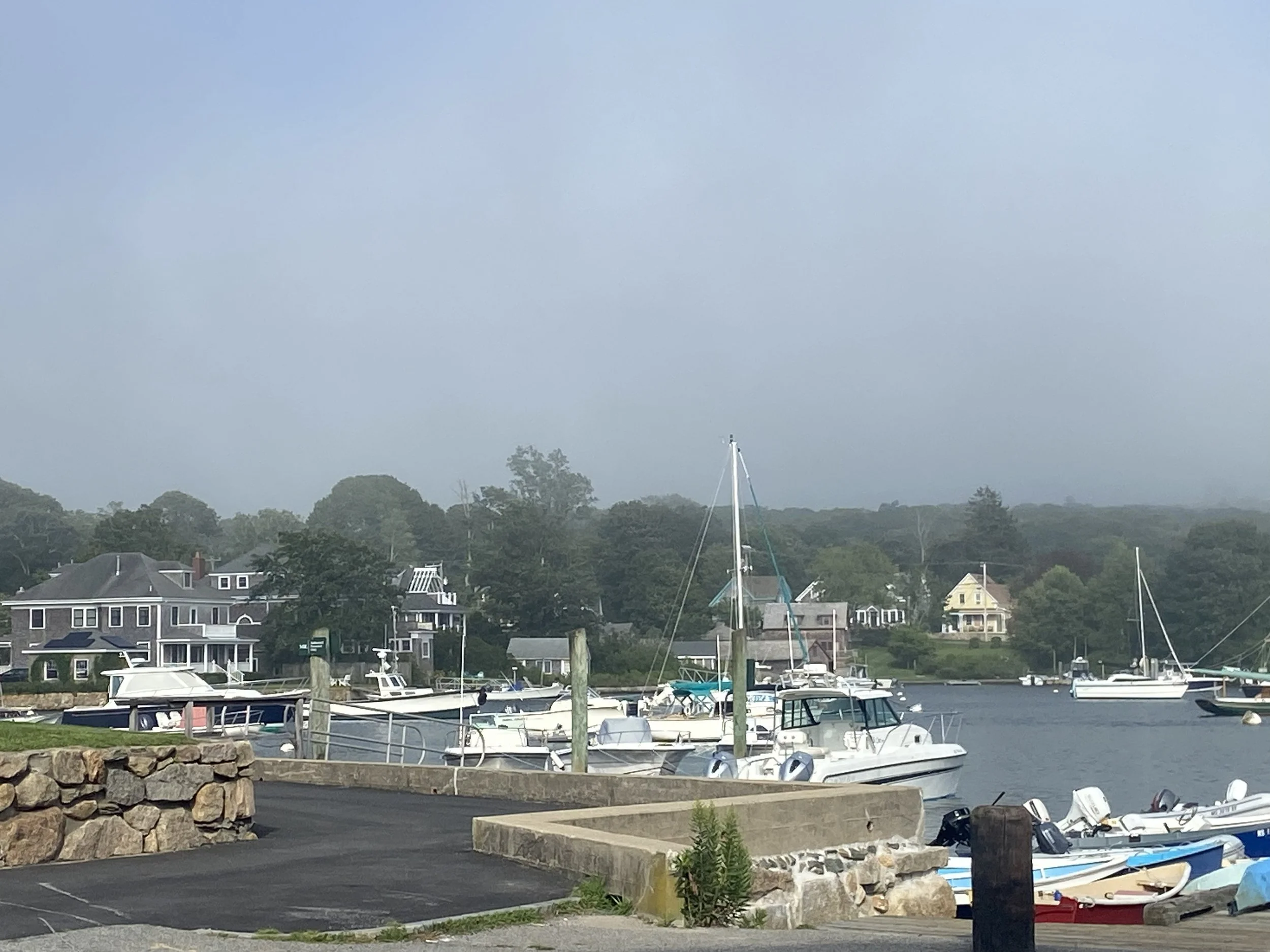
Woods Hole
Erica was selected as one of only 18 scientists to attend the prestigious Marine Biological Laboratory Molecular Mycology and Pathogenesis Course in Woods Hole, Massachusetts. Building on a legacy established by pioneering mycologists, the course provided a transformative experience through expert-led lectures, one-on-one faculty interactions, and immersive laboratory training. Equally impactful was the strong sense of community fostered among participants. The experience enabled Erica to integrate her structural biology expertise with advanced fungal biology and pathogenesis techniques.
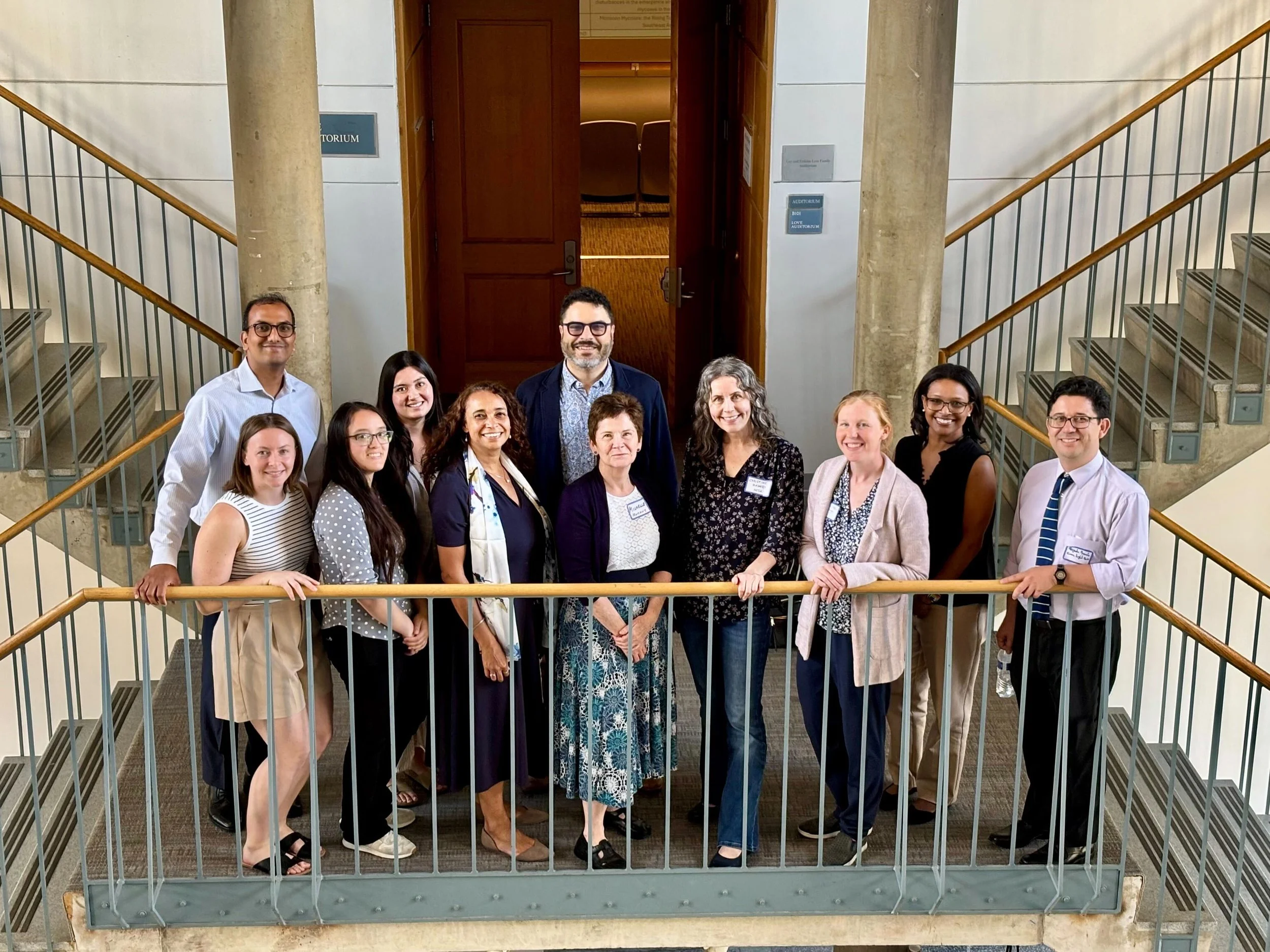
Climate and Fungi Symposium II
In May 2026, we hosted Climate & Fungi Symposium II at Duke University, bringing together scientists, clinicians, trainees, environmental researchers, and public health experts to explore one of the most exciting emerging areas in biology: the intersection of climate change and fungi.
Over two days, attendees heard from an outstanding group of speakers whose work spanned fungal ecology, medical mycology, environmental health, infectious diseases, agriculture, and climate science. The breadth of perspectives highlighted how fungi influence ecosystems, plant and animal health, and human disease, and how climate-driven changes in our environment are reshaping these relationships in ways we are only beginning to understand.
Beyond the science, what made the Climate & Fungi Symposium II truly special was the community that formed throughout the meeting. Conversations that began during presentations continued over meals, coffee breaks, poster sessions, and evening gatherings. Established investigators connected with trainees, new collaborations were sparked, and participants found common ground across disciplines that do not always have opportunities to interact. The enthusiasm, curiosity, and generosity of everyone involved created an atmosphere that was both intellectually stimulating and genuinely fun.
As co-director, I was inspired by the energy and engagement of the participants. The Climate & Fungi Symposium II demonstrated that there is a vibrant and growing community eager to tackle these important challenges together, and we are excited to continue building that community in the years ahead.
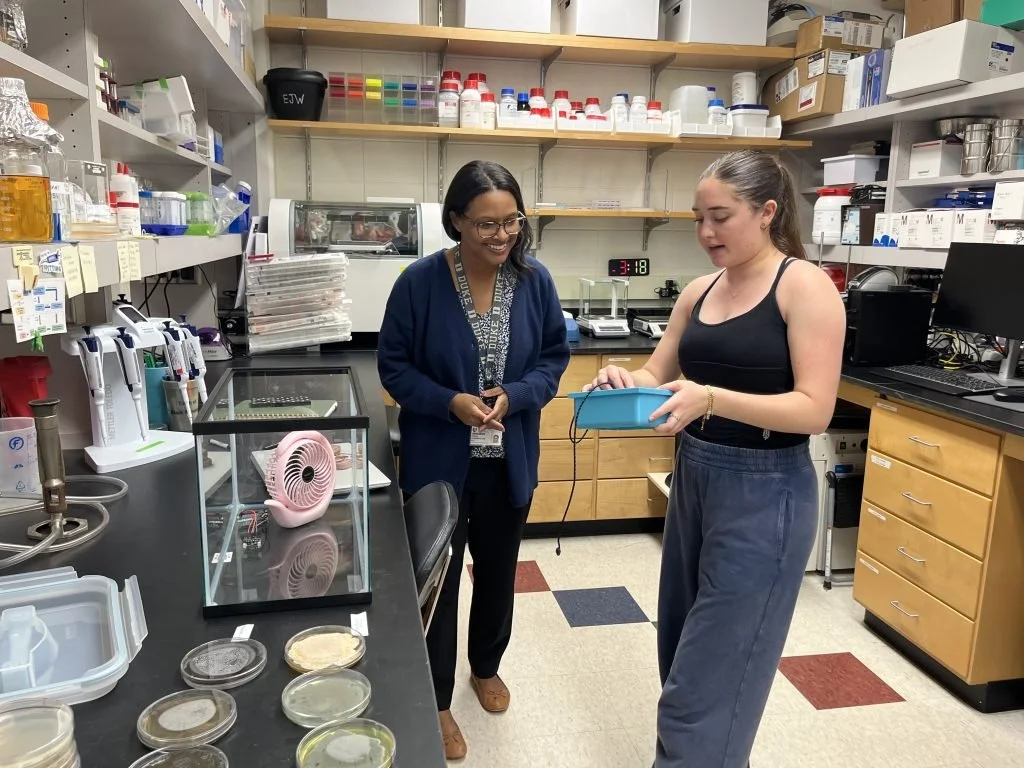
Duke Design Climate Studio
Through the Duke Design Climate Studio, I partnered with a talented team of undergraduate and graduate students to explore creative solutions for communicating climate-related challenges and opportunities. Working across disciplines, we combined scientific research, design thinking, and storytelling to develop innovative approaches to climate engagement. The experience reinforced the value of bringing together diverse perspectives to address complex environmental problems and highlighted the creativity and insight that students contribute to these efforts. I highly recommend collaborating with the Duke Design Climate Studio to anyone interested in driving meaningful innovation in climate solutions, community engagement, and science communication. The program creates a unique environment where bold ideas can flourish and where partnerships between students, researchers, and designers can lead to impactful outcomes.
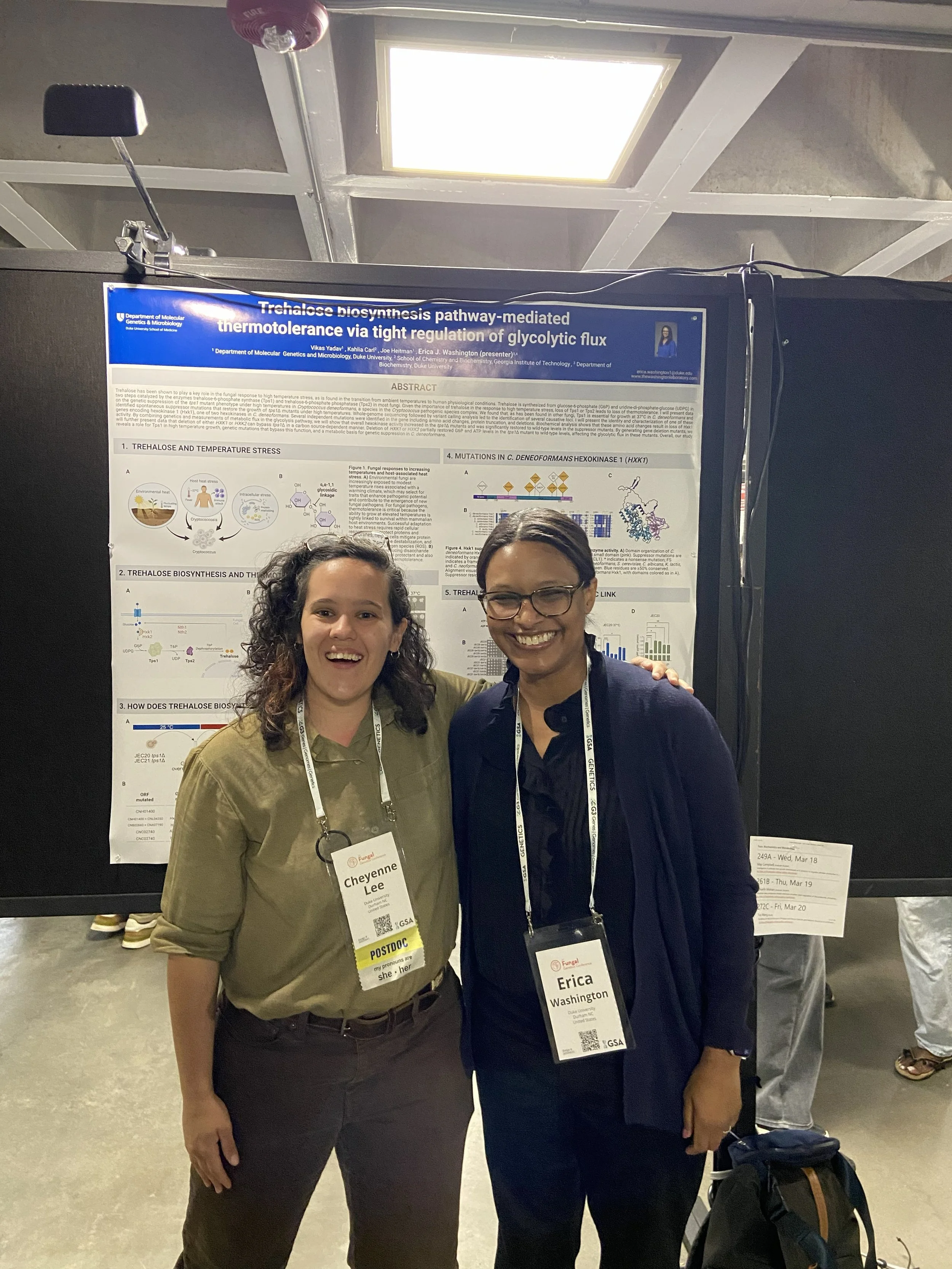
33rd Fungal Genetics Conference
The 33rd Fungal Genetics Conference at Asilomar was an amazing conference again this year with super keynote speakers and concurrent sessions. Erica presented her work in an oral presentation in the Great Room in Hall in the Host-Pathogen Interaction session, chaired by Teresa O’Meara and Julien, as well as during the poster session.
Washington lab research highlighted in Duke publication
Washington Lab Research Highlighted in Duke publication