Fungal Secondary Metabolites in a Changing Environment
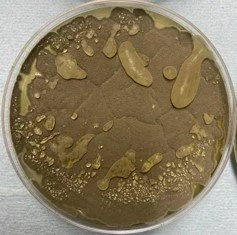
Volatile Organic Compounds.
Fungi produce a diverse array of volatile organic compounds (VOCs), small molecules that readily disperse through the air and facilitate interactions with surrounding organisms and environments. These compounds can influence microbial competition, plant health, and ecological communication, and they contribute to the distinctive odors associated with fungal growth.
Our research seeks to understand how fungal VOCs are produced, how environmental conditions shape their abundance, and how airborne fungal molecules may impact human exposure and respiratory health. By characterizing these compounds across diverse fungal species, we aim to better understand their roles in both environmental and clinical settings.
Mycotoxins.
Many filamentous fungi synthesize secondary metabolites known as mycotoxins, bioactive compounds that can affect the health of humans, animals, and other microorganisms. Mycotoxins are frequently encountered in agricultural, indoor, and environmental settings and can contribute to disease, food contamination, and ecosystem dynamics.
We are interested in understanding the genetic and environmental factors that regulate mycotoxin production and how these metabolites influence fungal survival, competition, and interactions with hosts. Studying these molecules provides insight into fungal adaptation while also informing strategies to reduce exposure and mitigate health risks.
Fungal Isolates from Climate-Related Events.
Climate-driven events such as hurricanes, flooding, and severe storms can dramatically alter the distribution and abundance of environmental fungi. These disturbances create conditions that promote fungal growth and may increase human exposure to airborne spores and fungal metabolites during recovery efforts.
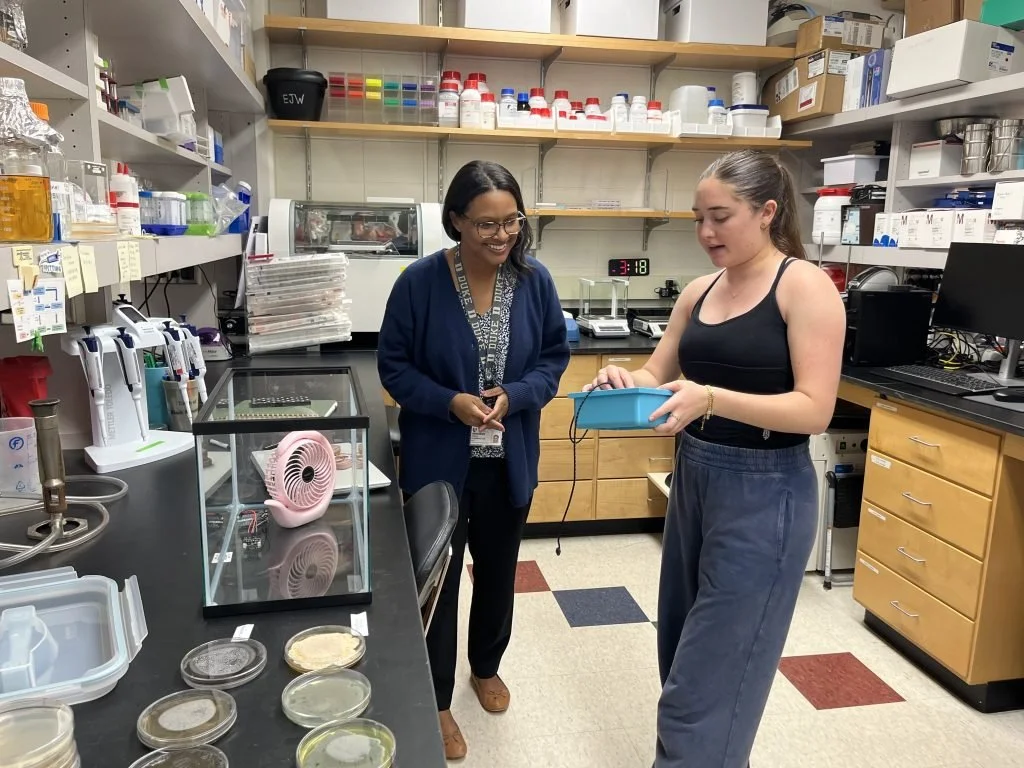
Our laboratory is building collections of fungal isolates recovered from environments impacted by flooding and other extreme weather events. By integrating environmental sampling, molecular characterization, and metabolite profiling, we aim to understand how climate-related disturbances shape fungal communities and influence the production of molecules relevant to environmental and respiratory health.
Secondary Metabolites and Human Health.
Secondary metabolites provide a window into how fungi interact with their environment and respond to changing conditions. By studying VOCs, mycotoxins, and other fungal metabolites in both laboratory and environmental isolates, we seek to understand the molecular mechanisms that link fungal ecology, climate change, and human health. This work helps identify biomarkers of exposure, potential hazards associated with environmental fungal blooms, and new opportunities for monitoring ecosystems affected by extreme weather.
From Fungal Biology to Sensor Design
What if fungal growth could be detected as easily as smoke or carbon monoxide?
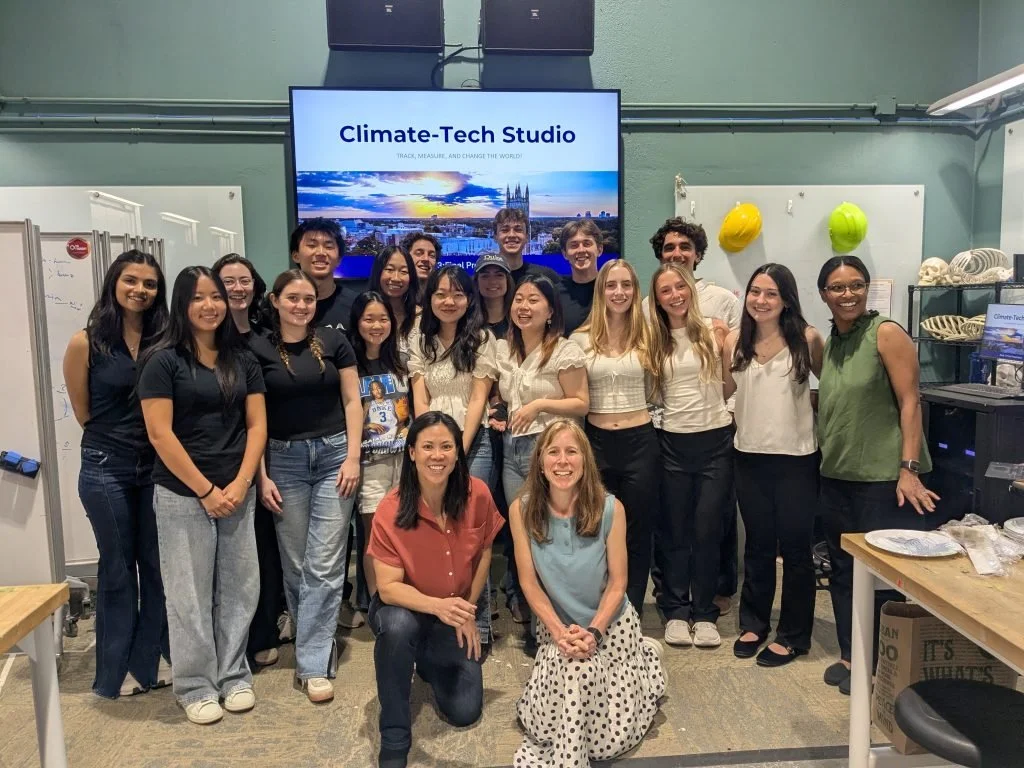
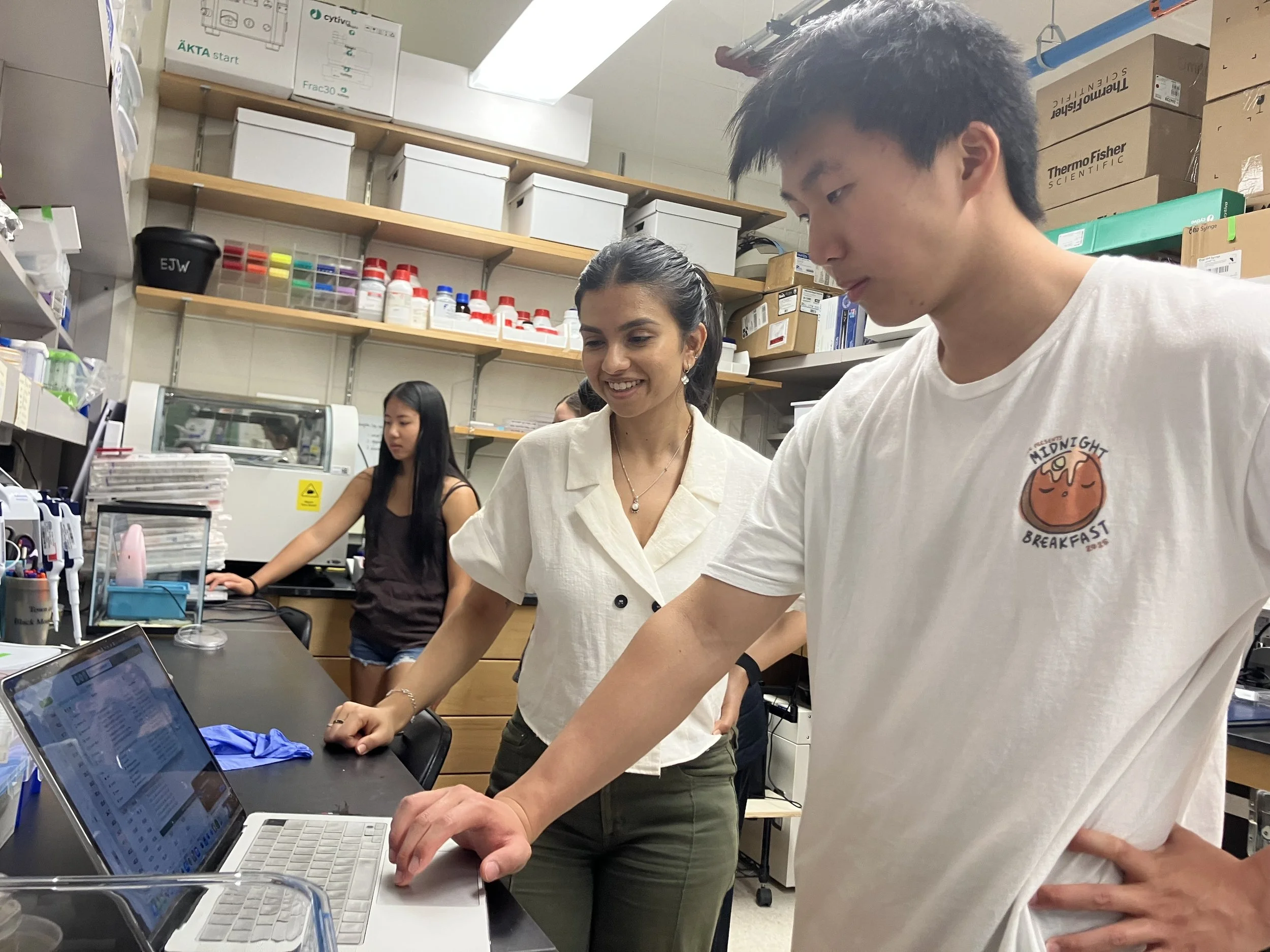
In 2026, the Washington laboratory partnered with interdisciplinary student teams through Duke’s newly launched Climate Tech Studio, a hands-on course that brings together students, faculty, and innovators to develop solutions to climate-related challenges. Through these collaborations, student teams worked alongside our laboratory to explore technologies aimed at improving environmental monitoring and public health.
We are investigating how fungal VOCs can be used to inform the design of environmental sensors. This work bridges microbiology, design, and public health to develop new tools for understanding fungal exposures in homes and communities affected by climate-related events.
Featured Projects
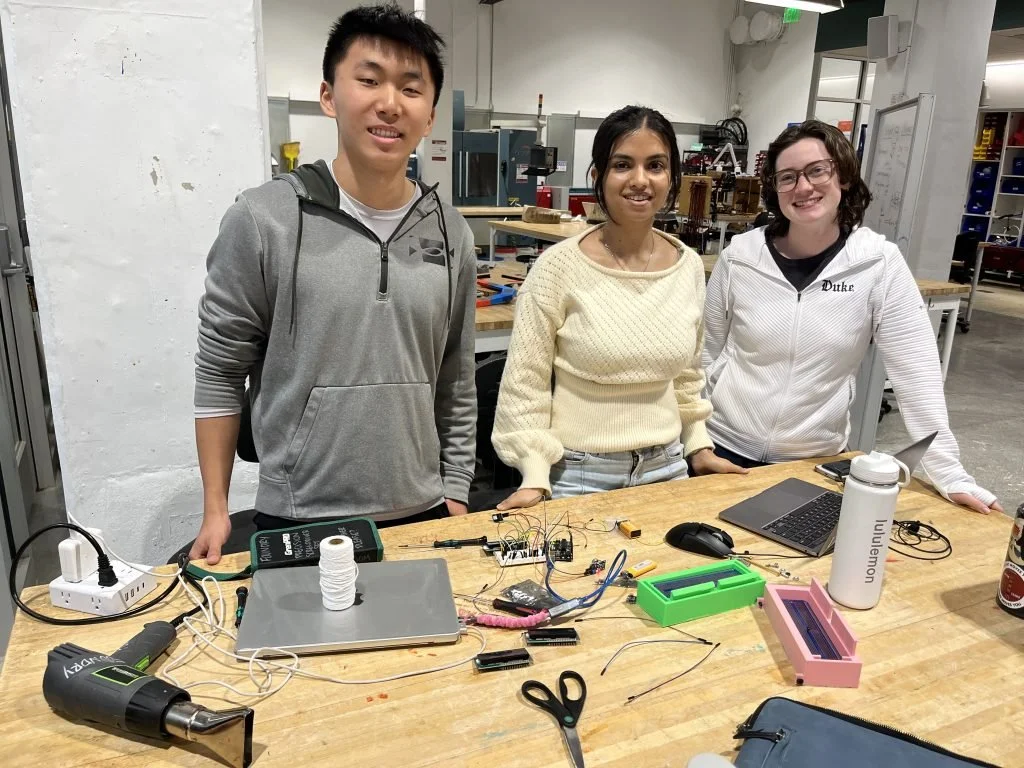
FungiFinder: Detecting Mold in Household Environments. - a smart air-filtering device designed to detect mold-related environmental signals and promote healthier indoor spaces.
MycoSpec: HVAC Mold Detection. - an environmental sensing device designed to monitor hospital HVAC systems for mold-associated signal and support healthier indoor air quality.
Learn more about Duke Design Climate: https://designclimate.duke.edu/