

Research Overview
The Washington Laboratory investigates the molecular mechanisms that enable fungi to survive environmental and host-associated stresses, with the goal of understanding fungal pathogenesis and developing new antifungal therapies.
Fungi are among the most successful organisms on Earth, occupying diverse environmental niches ranging from soil and decaying plant matter to the human body. Although only a small fraction of fungal species cause disease in humans, fungal pathogens are responsible for substantial global morbidity and mortality. Despite their clinical importance, many of the molecular mechanisms that enable fungi to survive in host environments and cause disease remain poorly understood.
Our research seeks to understand how environmental fungi evolve and adapt to become successful pathogens. We are particularly interested in the mechanisms that allow fungi to tolerate the numerous stresses encountered within the host, including elevated temperature, nutrient limitation, oxidative stress, fluctuations in pH, and changing oxygen availability. We also investigate how environmental and evolutionary pressures shape these adaptive responses and contribute to pathogenicity.
The Washington Lab combines fungal genetics, biochemistry, structural biology, and computational approaches to uncover the molecular pathways that promote fungal survival and virulence. A major focus of our work is the trehalose biosynthesis pathway, a conserved fungal stress-response system that plays critical roles in thermotolerance, cellular adaptation, and disease.
By integrating structural, functional, and pharmacological studies, we aim to:
Identify fungal pathways and molecular machines required for survival in host environments.
Define the structural and functional mechanisms that enable fungal adaptation and virulence.
Understand how environmental and evolutionary forces shape fungal stress responses.
Discover and develop new therapeutic strategies for the treatment of fungal infections.
Through these efforts, we seek to bridge fundamental fungal biology with translational research, advancing our understanding of fungal pathogenesis while uncovering new opportunities for antifungal drug development.
Research Areas
-
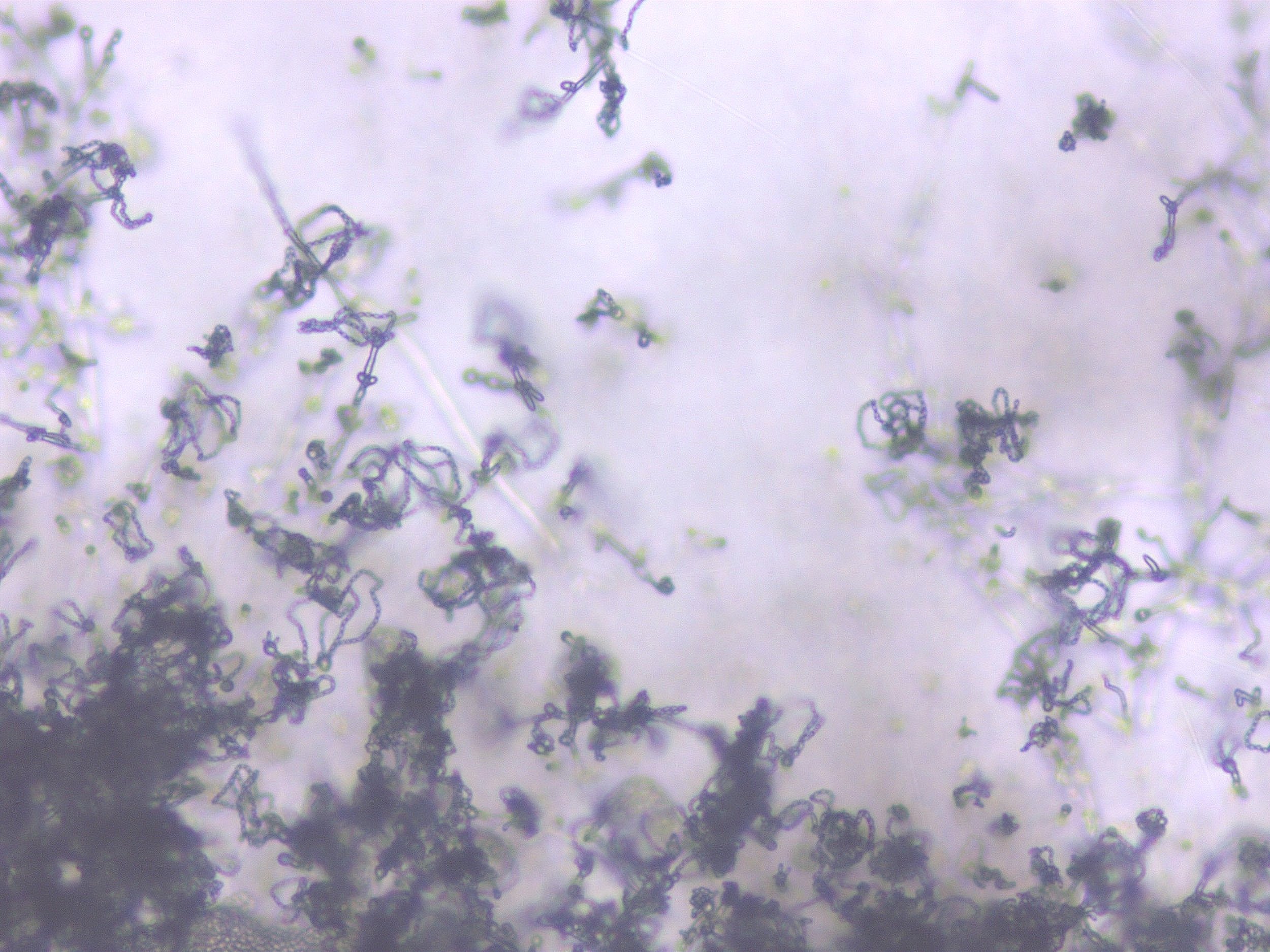
Fungal Stress Responses
-
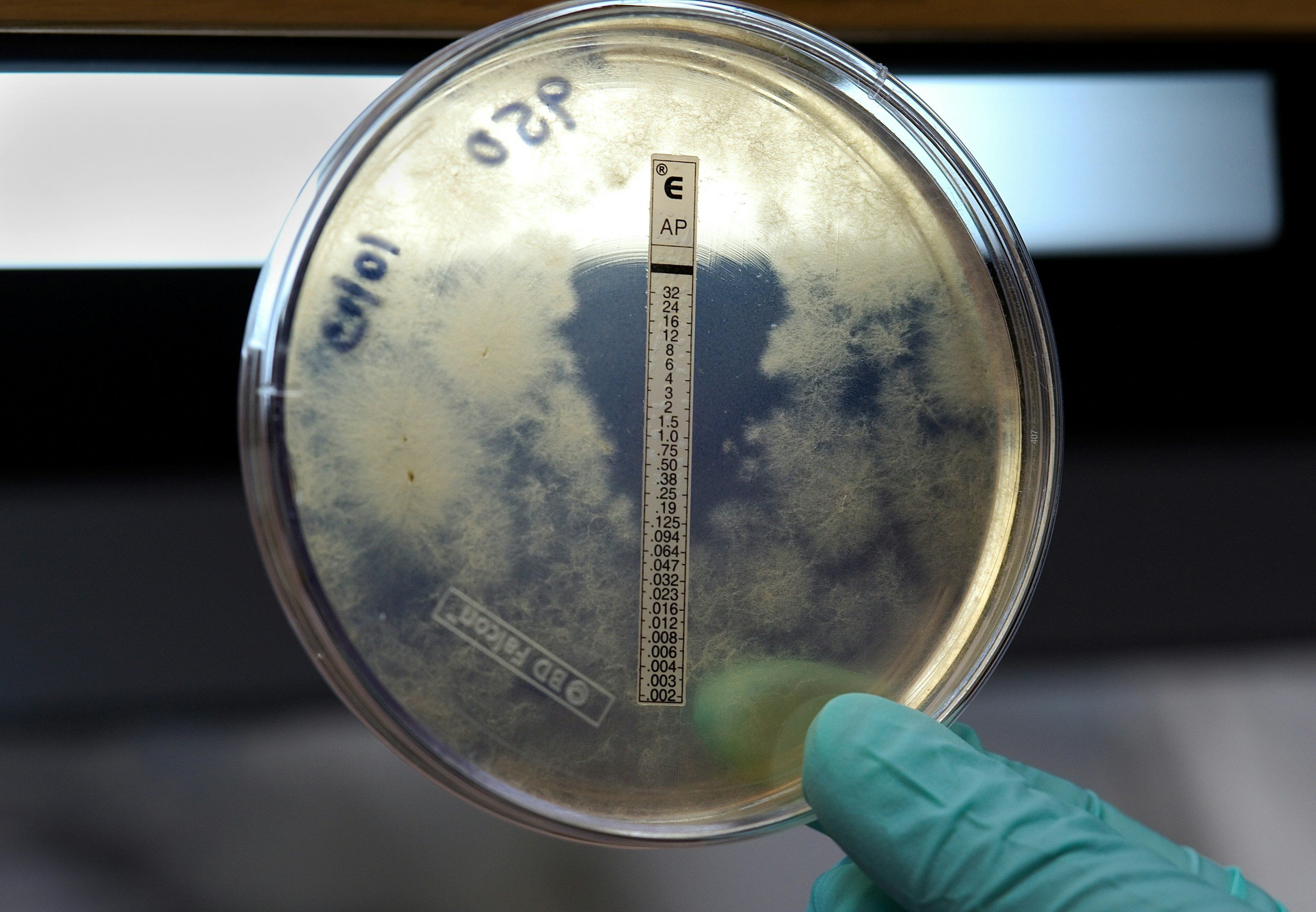
Antifungal Drug Development
-
Climate and Fungi
-
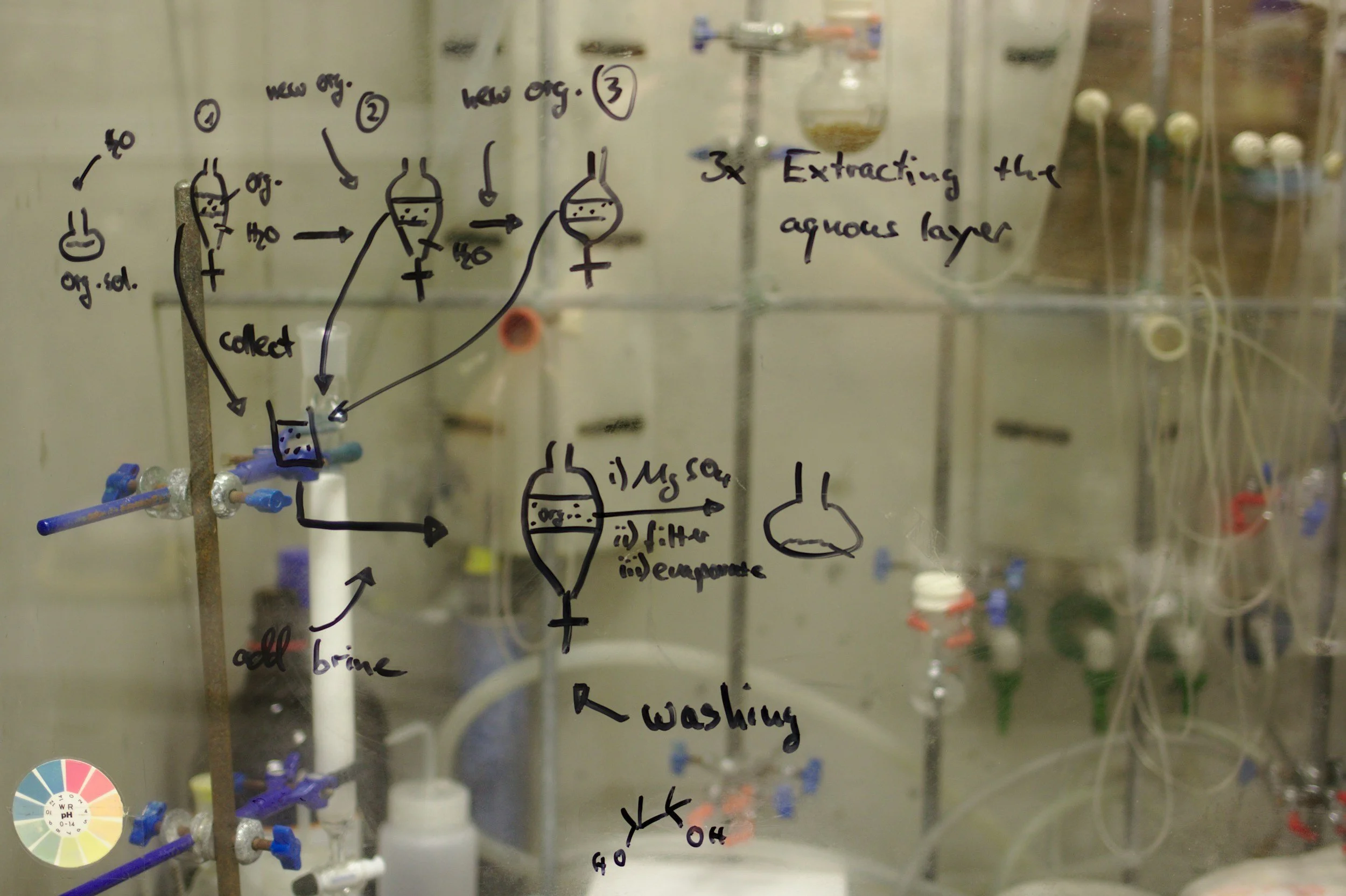
Fungal Secondary Metabolites
