Climate and Fungi
Fungi are remarkably adaptable organisms that inhabit diverse environments around the globe. Most fungal species do not cause disease in humans, in part because they are unable to grow at human body temperature. However, environmental pressures can drive the evolution of traits that enhance fungal survival under increasingly stressful conditions.
As global temperatures rise and ecosystems undergo rapid change, there is growing interest in understanding how climate and environmental adaptation influence the emergence of fungal pathogens. Environmental fungi frequently encounter heat stress, oxidative stress, nutrient limitation, and other challenges that may select for traits that also promote survival in human hosts.
The Washington Laboratory is interested in how environmental pressures shape fungal stress-response pathways and contribute to the evolution of pathogenic potential. Buy studying the molecular mechanisms that enable fungi to adapt to changing environments, we seek to better understand the factors that drive the emergence and spread of fungal diseases.
In addition, we are interested in how climate-driven events alter human exposure to environmental fungi and influence human health. Extreme weather events such as flooding, hurricanes, and other environmental disturbances can change the distribution, abundance, and dispersal of fungal species, potentially increasing opportunities for human exposure. Understanding how environmental change affects interactions between fungi and humans is essential for predicting future disease risks and developing strategies to protect vulnerable populations.
Why this matters:
As environmental conditions continue to change, fungi are likely to encounter new selective pressures that influence both their ecology and their interactions with humans. By understanding how climate, environmental adaptation, and human exposure intersect, we aim to uncover mechanisms that shape fungal emergence and impact human health.
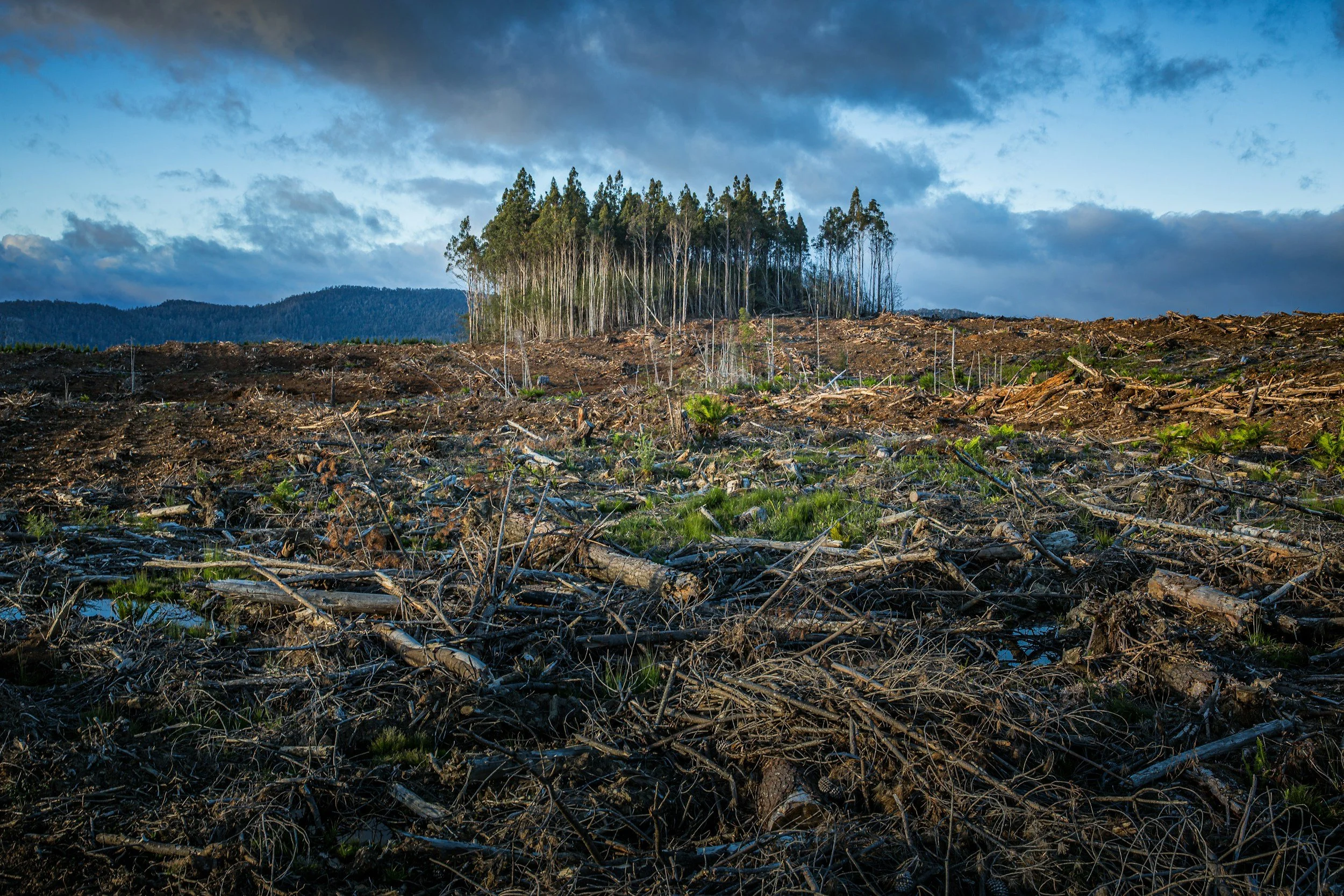
Learn more about our work in the aftermath of North Carolina’s 2024 Hurricane Helene in these featured stories:

Focus on Fungus
Duke Magazine
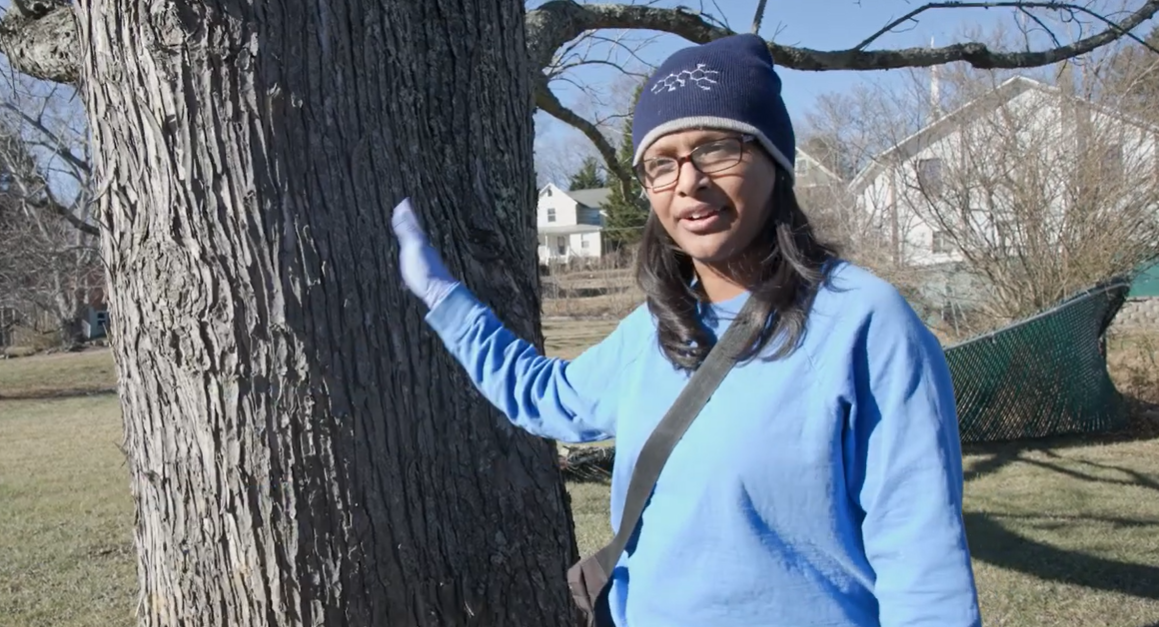
In this profile, I discuss my journey as a fungal biologist and the questions that drive my research program. The article highlights my work on fungal stress responses, climate change, and the environmental factors that shape the emergence of fungal disease. It also explores how basic discoveries in fungal biology can inform our understanding of human health and future disease risks.

Fungal Fallout from Climate Disasters
Duke University School of Medicine
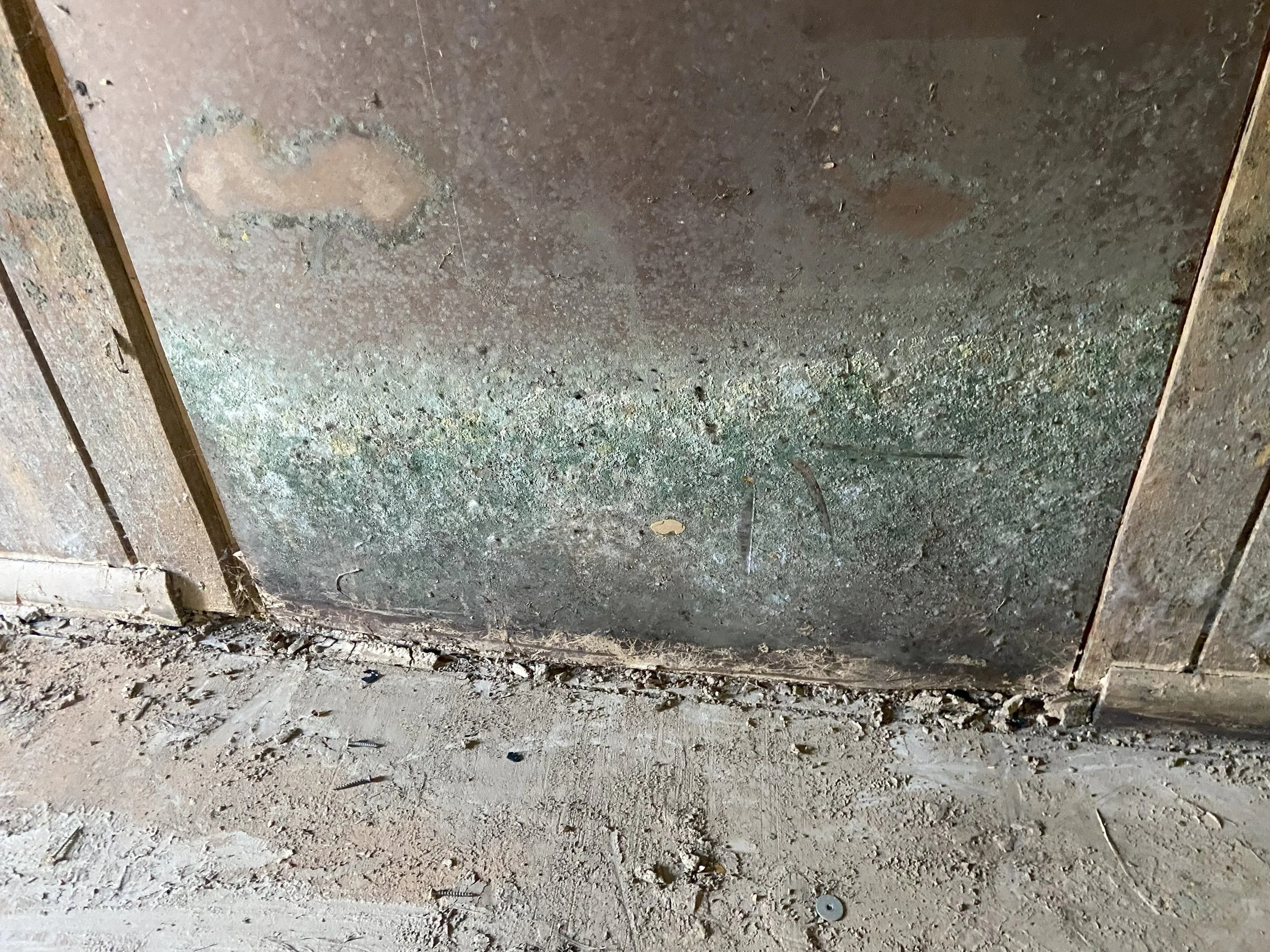
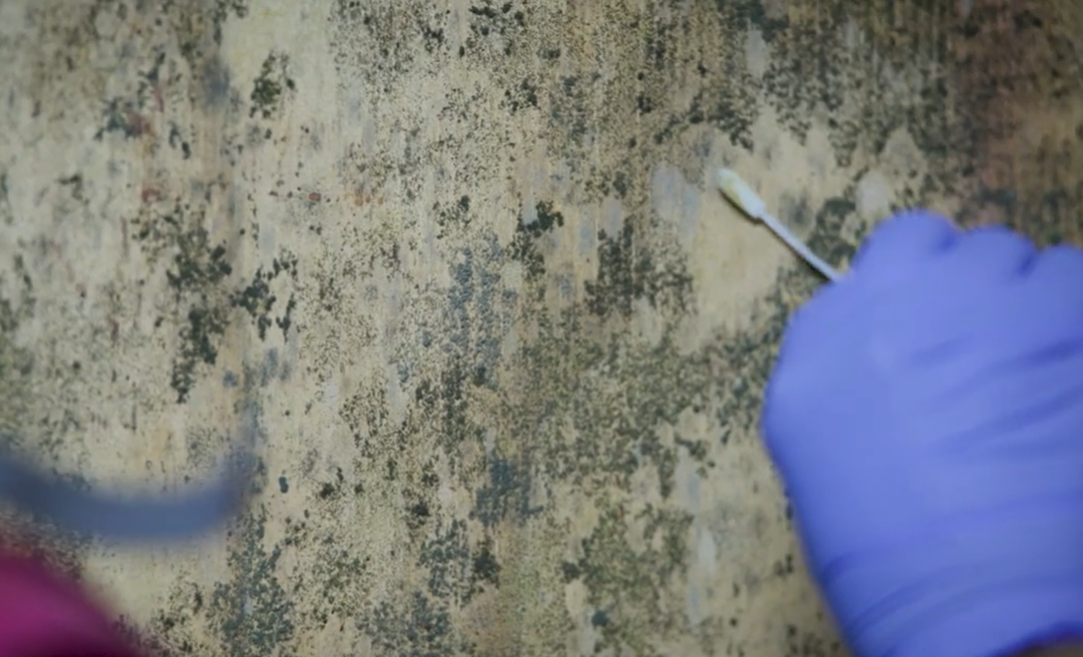
Extreme weather events can leave behind more than visible damage. Flooding and prolonged moisture create conditions that promote fungal growth in homes, schools, and other built environments, potentially increasing human exposure to environmental fungi. This feature highlights our efforts to better understand the consequences of climate-related disasters for fungal ecology and human health.
Enjoy a video detailing our research in Black Mountain →